
The Nature of Chance in Gambling
The essence of casino games lies in the unpredictable nature of chance. Players often enter these establishments hoping for a stroke of luck that can dramatically alter their fortunes. Although skill can provide a slight advantage in certain games, luck remains the dominant factor determining outcomes. For instance, slot machines are purely reliant on random number generators, ensuring that no amount of player skill can influence the odds in their favor. In this environment, many enthusiasts engage in betting strategies that can enhance their experience, but they must still come to terms with the reality that luck plays a role that often overshadows what skill can provide.
Many believe that skillful play leads to consistent winnings, especially in games such as poker or blackjack, where strategic decision-making can influence results. However, even the most experienced players can encounter streaks of bad luck or unfortunate hands that no strategy can overcome. A seasoned poker player might lose to a novice who draws a winning hand purely by chance, such as a royal flush. This unpredictability illustrates how, even in games considered skill-based, luck can take center stage and override expertise at critical moments.
Moreover, the psychological component of gambling amplifies the impact of luck. Players often find themselves on what they perceive as a “lucky streak,” creating a sense of invincibility that encourages them to gamble more aggressively. Conversely, a series of losses can lead to feelings of being cursed or unlucky, resulting in despair and poor decision-making. Such emotional highs and lows further highlight that luck is an uncontrollable element significantly influencing gambling outcomes, often more than skill ever could.
The Role of Randomness in Game Mechanics
Casino games are meticulously designed around randomness, ensuring that outcomes are as unpredictable as possible. Games like roulette exemplify this principle, where the spinning wheel and bouncing ball represent pure chance, further emphasizing how skill plays a limited role. While players may develop strategies to maximize their bets or manage their bankrolls, the ultimate outcome hinges on where the ball lands, illustrating the fundamental randomness that characterizes the casino environment.
Even in skill-oriented games, randomness introduces a critical element that cannot be ignored. For example, in blackjack, the cards dealt are random, and despite a player’s strategies, they may receive an unfavorable hand due to a poor shuffle or unlucky sequence. Statistically, the house edge remains, ensuring that the casino retains its advantage over time. This reality starkly underscores the dominance of luck over skill, shaping the overall gambling experience and reminding players that their expertise has limits when faced with chance.
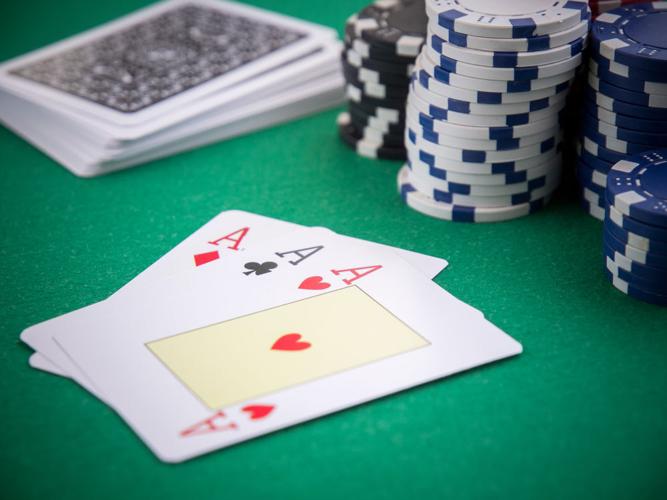
The complexity of odds also plays a significant role in how luck overshadows skill. Understanding probabilities can enhance a player’s experience, yet it often does not guarantee success. For instance, players might rely on mathematical models to predict outcomes in games like baccarat, only to find themselves thwarted by sheer chance. Ultimately, the inherent randomness of casino games reinforces the idea that luck is the key player in determining outcomes, often rendering skill secondary in importance.
Psychological Expectations of Players
The expectations placed on players often skew their understanding of luck’s significance in their gaming experiences. Many enter casinos with the belief that skill and strategy will lead to success, often fueled by stories of professional gamblers who have won large sums through skillful play. However, these narratives can create unrealistic expectations, leading players to underestimate the crucial role of luck. Consequently, many gamblers may overemphasize skill and overlook the element of chance that can dramatically alter the outcome of their games.
Psychological factors such as cognitive biases can further cloud a player’s perception of success and luck. The “hot hand” phenomenon, where players believe that they are on a lucky streak after a series of wins, can lead to irrational betting behaviors. On the other hand, after experiencing a losing streak, players may feel particularly cursed or unlucky, prompting them to chase losses in a desperate attempt to regain their footing. This interplay of luck and psychology illustrates how even the best skill-oriented strategies can falter when faced with the unpredictability of chance.
Understanding these psychological elements can empower players to approach gambling more responsibly. Acknowledging the substantial role luck plays allows individuals to maintain a healthier mindset, enjoying the experience without becoming overly invested in potential losses or wins. By recognizing luck’s importance, players can create a more balanced approach to gambling, focusing on the entertainment aspect rather than solely on profit maximization or mastery of the game.
The Impact of Casino House Edge
An essential aspect of casino games is the house edge, a built-in advantage that ensures the casino will profit from players’ wagers over time. This advantage operates independently of player skill and underscores the significance of luck in determining outcomes. In games like craps or slot machines, the combination of randomness and the house edge amplifies the importance of chance, as players may win or lose based on factors completely out of their control, reinforcing the notion that luck can outweigh skill.
While skilled players might aim to minimize losses or maximize winnings through strategic play, the house edge serves as a constant reminder that luck is ultimately the dominating force. Even the best strategies cannot alter the odds in favor of the player when the house retains its edge. This reality is critical to consider, as it reflects how luck shapes the gambling landscape and reinforces the idea that, regardless of skill level, probability reigns supreme in the end.
Understanding the house edge can lead to more informed decision-making. Gamblers can choose to play games with lower house advantages, yet luck will still dictate the outcomes in those games. Recognizing this relationship between the house edge, luck, and skill empowers players to navigate their gambling experiences more wisely while keeping expectations grounded in reality. Ultimately, the house edge serves as a reminder that skill alone cannot guarantee success in the unpredictable world of casinos.
Embracing Luck in the Casino Experience
Casino gaming is primarily about entertainment, and embracing the role of luck can significantly enhance the overall experience. Instead of focusing solely on skill or strategies to win, players can appreciate the thrill of the game, understanding that luck can be just as exciting, if not more so. This perspective allows individuals to enjoy the unpredictability of casino environments, celebrating the highs and accepting the lows without the burden of unrealistic expectations regarding skill or mastery.
Moreover, embracing luck fosters a sense of camaraderie among players. Sharing stories of both fortunate and unfortunate outcomes creates a community experience, where players bond over shared moments of exhilaration and disappointment. By reframing the narrative around luck, players can cultivate a more positive social environment, where each experience is valued regardless of the outcome, thus enhancing the enjoyment of the casino experience.
Recognizing and accepting luck as a primary influencer allows players to develop a healthier relationship with gambling. When individuals view luck as a vital component of their experience rather than merely a hindrance, they can engage with games more mindfully, thereby enhancing their enjoyment while minimizing the potential for negative consequences. Ultimately, embracing luck ensures that gambling remains a fun and thrilling adventure rather than a relentless pursuit of mastery, enriching the overall experience for all participants.
