
Understanding the psychology of gambling What drives the risk-takers
The Thrill of Uncertainty
The allure of gambling often stems from the excitement associated with uncertainty. Risk-takers are drawn to the potential for big wins, and the unpredictability of each game adds to the thrill. This psychological response is closely tied to the brain’s reward system, where anticipation releases dopamine, making each bet feel exhilarating. The excitement of not knowing the outcome can create a rush that many find addictive. Many players find enjoyment in online pokies, further enhancing their gambling experience.
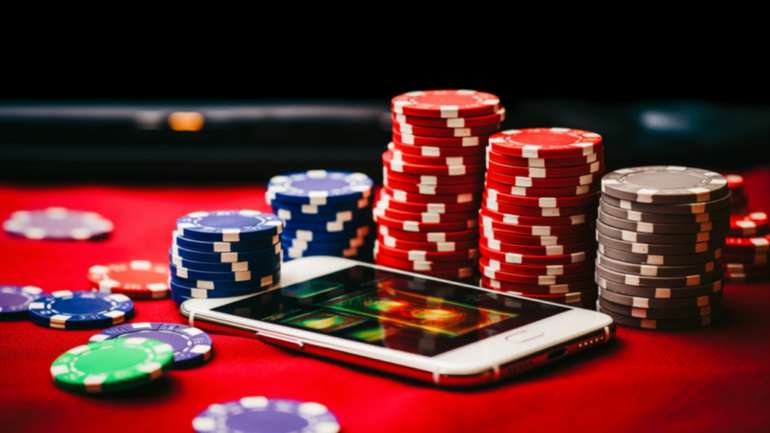
Moreover, this thrill is not limited to monetary gains. The adrenaline rush from placing a bet and waiting for the results can foster a sense of adventure. For many, this enhances their overall experience, transforming a simple game into an extraordinary event filled with emotional highs and lows.
The Role of Personality Traits
Personality traits significantly influence gambling behavior. Individuals with higher levels of risk tolerance often seek out gambling as a form of entertainment. They may view games as challenges to conquer rather than mere luck-based activities. This mindset can lead to repeated play, as they believe they have the skills to overcome odds.
Additionally, traits such as impulsivity and sensation-seeking are common among frequent gamblers. These individuals tend to thrive in situations that offer immediate gratification, driving them to engage in risky activities like gambling. This psychological perspective helps explain why some people are more susceptible to the allure of casinos and betting games.
Cognitive Distortions and Superstitions
Cognitive distortions play a vital role in shaping a gambler’s mindset. Many gamblers fall prey to the “gambler’s fallacy,” where they believe that past events can influence future outcomes. For instance, someone might think that after several losses, they are “due” for a win, leading them to gamble more aggressively.
Superstitions also contribute to gambling behavior. Many risk-takers develop personal rituals or beliefs about luck, which they believe will enhance their chances of winning. These cognitive biases create a complex psychological landscape where rational decision-making often takes a backseat to emotional and irrational influences.
The Impact of Social Influence
Social dynamics significantly affect gambling behavior. Peer pressure can encourage individuals to engage in gambling activities they might otherwise avoid. When surrounded by friends or celebrities who gamble, one might feel compelled to join in for social acceptance or excitement.
Moreover, the portrayal of gambling in popular culture, including movies and celebrity endorsements, can glamorize the lifestyle associated with high-stakes betting. This influence can drive individuals to gamble, believing they are participating in a thrilling or glamorous activity, despite potential risks.
Explore More About Gambling Psychology on Our Website
Our website delves deeper into the psychology of gambling, providing insights and resources for understanding the behaviors of risk-takers. Here, you can find expert articles and guides that break down the various factors contributing to gambling habits, including emotional, cognitive, and social influences.
We also offer comprehensive information on responsible gambling practices, ensuring that those who partake in these activities do so with awareness and understanding. Whether you’re a seasoned gambler or just curious about the psychology behind the thrill, our platform serves as a valuable resource for all your inquiries.

+ There are no comments
Add yours