
Debunking the most popular myths in gambling What you really need to know
The Luck Factor: Are Gamblers Born Lucky?
One of the most pervasive myths in gambling is the notion that some people are simply born lucky. This idea leads many to believe that luck is a fixed trait, something akin to a genetic lottery. In reality, gambling outcomes are determined by a combination of skill, strategy, and random chance. Many seasoned gamblers will tell you that luck can fluctuate; winning streaks often give way to losses, and it is essential to approach gambling as a game of probabilities rather than a luck-based endeavor. A great example of where one can explore various viewpoints on this subject is pikashow-in.net, which covers a wide array of topics related to gaming.
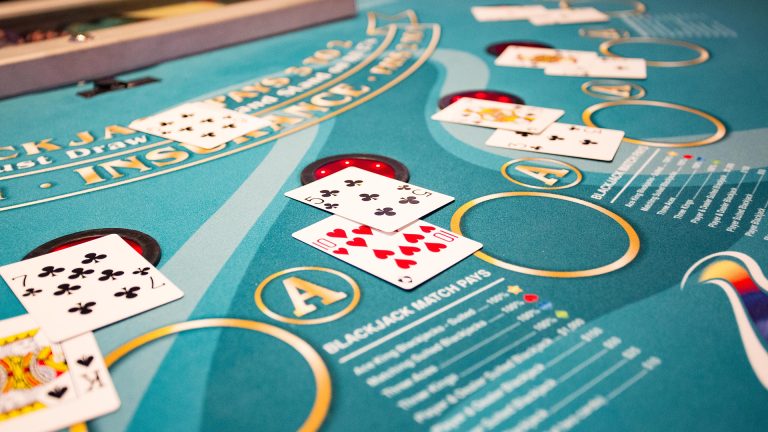
This myth perpetuates the belief that success in gambling is unattainable for those who don’t possess the so-called “lucky charm.” In truth, understanding the odds and honing your skills can significantly improve your chances of winning. The house edge in games like blackjack and poker can be reduced through strategic play, illustrating that informed decision-making often trumps sheer luck.
Furthermore, psychological factors come into play. Gamblers often focus on past outcomes—such as previous wins or losses—leading them to believe they are either due for a win or trapped in a losing streak. This cognitive bias further perpetuates the myth of luck, highlighting the need for a more analytical approach to gambling.
The House Always Wins: Unpacking the House Edge
Another common myth is the belief that casinos always win, regardless of the player’s skill level. While it is true that the house edge guarantees a casino’s profitability over time, it does not imply that players are destined to lose every time they gamble. Each game has a specific house edge, which varies according to the rules and format. For instance, games like poker allow for player skill to significantly influence outcomes, offering opportunities for savvy gamblers to beat the house.
Understanding the house edge is essential for gamblers looking to maximize their potential winnings. Some games, like video poker or blackjack, have a lower house edge than others, such as slot machines. By selecting games with a more favorable edge, players can enhance their chances of long-term success. Additionally, effective bankroll management can further mitigate losses and stretch playing time, allowing for a more enjoyable experience.
Moreover, casinos employ a variety of strategies to entice gamblers, such as free drinks or loyalty programs, which can skew a player’s perception of their chances. This marketing approach is designed to keep players engaged, even as they face losses. It is crucial to recognize that while casinos operate on profit margins, skilled players can still experience success by making informed choices.
Gambling Addiction: Just a Myth or Reality?
When discussing gambling, the topic of addiction often arises, leading many to believe that gambling addiction is merely a myth perpetuated by the media. However, gambling addiction is a very real and serious issue that affects countless individuals. It is classified as a behavioral addiction, where the compulsive need to gamble disrupts personal lives, relationships, and finances. Recognizing this reality is vital for creating supportive environments for those affected.
The symptoms of gambling addiction can manifest in various ways, including a preoccupation with gambling, lying about betting behavior, or using gambling as an escape from emotional distress. Those struggling with addiction may find it challenging to stop despite negative consequences. This highlights the importance of awareness, as early intervention can lead to more effective treatment options and recovery.
While some may view gambling as a harmless pastime, it is crucial to acknowledge that not everyone has the same level of control. Tools like self-exclusion programs and responsible gambling resources are essential for helping individuals manage their gambling habits. Understanding the realities of gambling addiction can foster a more compassionate approach toward those affected, promoting healthier attitudes toward gaming.
Winning Strategies: Is There a Guaranteed Way to Win?
Many gamblers fall prey to the myth that there is a foolproof strategy for winning at gambling. This belief often leads to a cycle of chasing losses and adopting systems that claim to promise success. However, the truth is that no strategy can guarantee a win, as gambling inherently involves random outcomes. While some games allow for strategic play, such as blackjack and poker, the presence of chance means that variability is always in play.
It’s important to differentiate between strategies that may enhance gameplay and those that claim to ensure victory. Techniques like card counting in blackjack can provide players with a statistical advantage, yet they require a high level of skill and practice. Similarly, in poker, understanding opponents and managing betting can increase one’s chances of winning but does not guarantee success every time.
Ultimately, a critical understanding of the mechanics behind each game and the inherent risks involved is paramount. Players should focus on enjoying the experience rather than seeking guaranteed outcomes. Adopting a mindset geared towards entertainment can lead to healthier gambling practices, minimizing disappointment and fostering a more enjoyable time at the tables.

Understanding Gambling Resources and Supportive Communities
In an era of rapid technological advancement, various online platforms provide valuable resources for gamblers. Websites dedicated to gambling education, support forums, and responsible gaming initiatives play a vital role in guiding both new and experienced players. They offer tools to enhance awareness around gambling behaviors and promote responsible gaming practices that can improve overall experiences.
These online resources often feature tips on bankroll management, understanding odds, and recognizing signs of problem gambling. Additionally, many organizations offer support for those struggling with gambling addiction, connecting individuals with mental health professionals and peer support groups. Such initiatives are essential in fostering a responsible gambling culture that prioritizes safety and well-being.
Moreover, online communities can provide a sense of camaraderie and shared experiences. Gamblers can discuss strategies, share tips, and even seek emotional support from fellow enthusiasts. By embracing these resources, individuals can approach gambling with a more informed and balanced perspective, allowing for both enjoyment and responsibility in their gaming experiences.

+ There are no comments
Add yours